

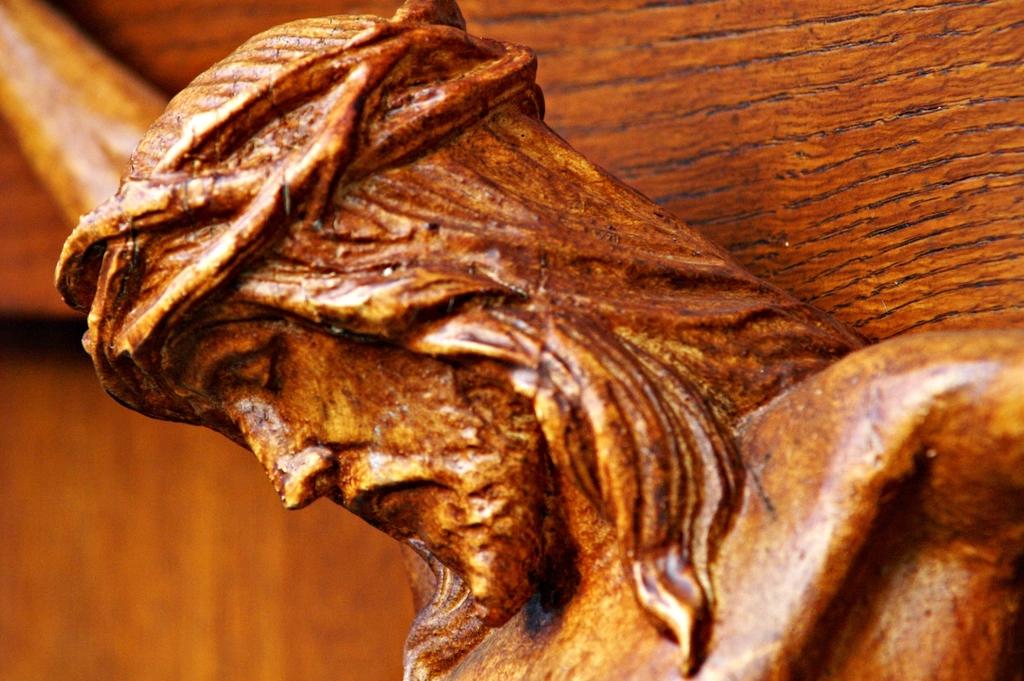
I was quite troubled the first time I heard someone say, years ago at this point, that the story about Jesus and the woman caught in adultery was not inspired Scripture, and thus didn’t belong in the Bible. Of course it troubled me, but I did nothing about trying to understand why this story was in my Bible (though in brackets). Back in March 2011 Piper did a sermon on this passage (Neither Do I Condemn You), usually called in scholastic writings, The Pericope Adulterae, where the explanation started to make a little more sense.
A few weeks ago I finally got around to doing my own research on the topic, and my basic overall conclusion is listed below. To see the entire argument if you so desire just go to my Writing Section or click here for the PDF called The Pericope Adulterae: An Exegetical Examination of the Canonicity and Meaning of John 7:53-8:11.
Even though this account of Jesus and the woman caught in adultery most likely did not appear in the original writings of John’s Gospel, it does not affect any significant doctrine within the whole of Scripture. Some teachers may wish to exclude this section from reproof because of these issues, but whether a modern day pastor or teacher chooses to include or exclude the pericope, the wisdom of Jesus can be found in other areas of Scripture to support the statements within this passage. As such, many applications of forgiveness, judgmental attitudes, and repentance can be gleened from the pericope, much in the same way the Didascalia Apostolorum used the story to “bring repentant sinners back into the congregation.”[1]
Issues such as judgmentalism and sin on a large scale can destroy communities and nations, and on a smaller scale, can destroy “marriages, families, and churches.”[2] We have almost countless opportunities in our post-modern culture to extend grace, especially when it comes to our marriages, families, and our churches. How many congregations have split because of a spirit among members who are quick to judge, and slow to extend grace? The pericope adulterae, a floating, somewhat “homeless passage,” which probably needs some grace extended to it as well, provides an additional opportunity to reiterate teachings found in many other parts of the New Testament.[3] It may not be an original part of John’s gospel, but this story “points us to the message of the whole New Testament.”[4] Ultimately the pericopepoints us to Jesus, who not only gives us grace beyond what we deserve, grace is given by the only One who, without sin, can actually cast the first stone, but does not.

One response to “A Look at The Pericope Adulterae from John 7:53-8:11”
[…] A Look at The Pericope Adulterae from John 7:53-8:11 (scottfillmer.com) […]